
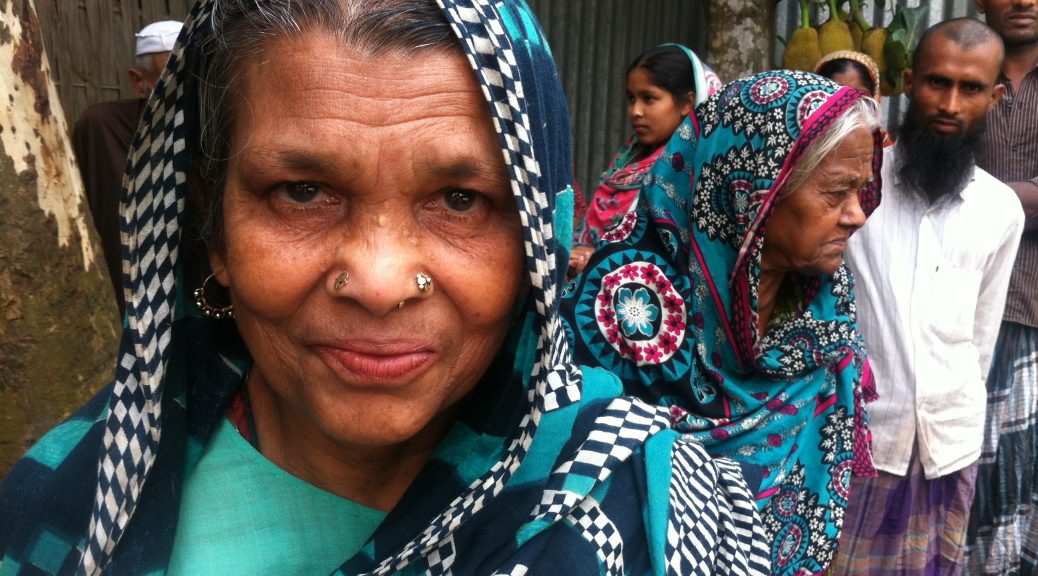
Social protection has become a cornerstone of Bangladesh's development strategy, with programs reaching millions of vulnerable citizens across the country. From old age allowances to child benefits, these initiatives represent a fundamental shift in how the government approaches poverty reduction and social welfare.
The Evolution of Social Protection in Bangladesh
Over the past two decades, Bangladesh has significantly expanded its social protection coverage. What began as small-scale charitable programs has evolved into a comprehensive system of cash transfers, social insurance, and employment schemes designed to protect citizens from economic shocks and chronic poverty.
The government currently operates over 100 different social protection programs, managed by more than 20 ministries and departments. This complex ecosystem serves approximately 30 million beneficiaries, representing nearly one-fifth of the population.
Key Programs and Their Impact
The Old Age Allowance program stands as one of the most successful initiatives, providing monthly cash transfers to elderly citizens who lack regular income sources. Since its inception, the program has expanded from covering a few thousand beneficiaries to reaching over 4 million older adults nationwide.
Similarly, the Vulnerable Group Development (VGD) program combines food assistance with skills training, helping poor women develop sustainable livelihoods. These integrated approaches have proven more effective than simple cash transfers alone, creating pathways out of poverty rather than just temporary relief.
Challenges in Implementation
Despite significant progress, Bangladesh's social protection system faces several persistent challenges. Coordination between different ministries remains weak, leading to duplication of efforts and gaps in coverage. Targeting mechanisms, while improving, still struggle to identify and reach the poorest households consistently.
Digital transformation offers potential solutions to many of these challenges. The introduction of biometric identification and mobile banking has reduced leakage and improved payment efficiency. However, digital literacy gaps mean that some vulnerable populations still struggle to access their benefits.
The Road Ahead
Looking forward, Bangladesh aims to establish a unified social protection system that can respond dynamically to changing needs. The COVID-19 pandemic demonstrated both the system's resilience and its limitations, spurring reforms to improve flexibility and coverage.
International development partners continue to play a crucial role in supporting these reforms, providing technical assistance and funding for program expansion. The European Union, World Bank, and various bilateral donors have committed substantial resources to strengthening Bangladesh's social protection architecture.
Lessons for Other Countries
Bangladesh's experience offers valuable lessons for other developing countries building social protection systems. Starting with simple cash transfer programs and gradually adding complexity has proven more sustainable than attempting comprehensive reforms all at once.
The emphasis on women as primary beneficiaries has also yielded significant social dividends, improving not just household income but also children's nutrition, education outcomes, and women's decision-making power within families.
Conclusion
Social protection in Bangladesh has come a long way, but the journey continues. As the country progresses toward middle-income status, ensuring that economic growth benefits all citizens remains paramount. A robust, well-coordinated social protection system will be essential to achieving this inclusive development vision.